Hear How We Must Seek God
Written by AJ Baalman on October 11, 2026
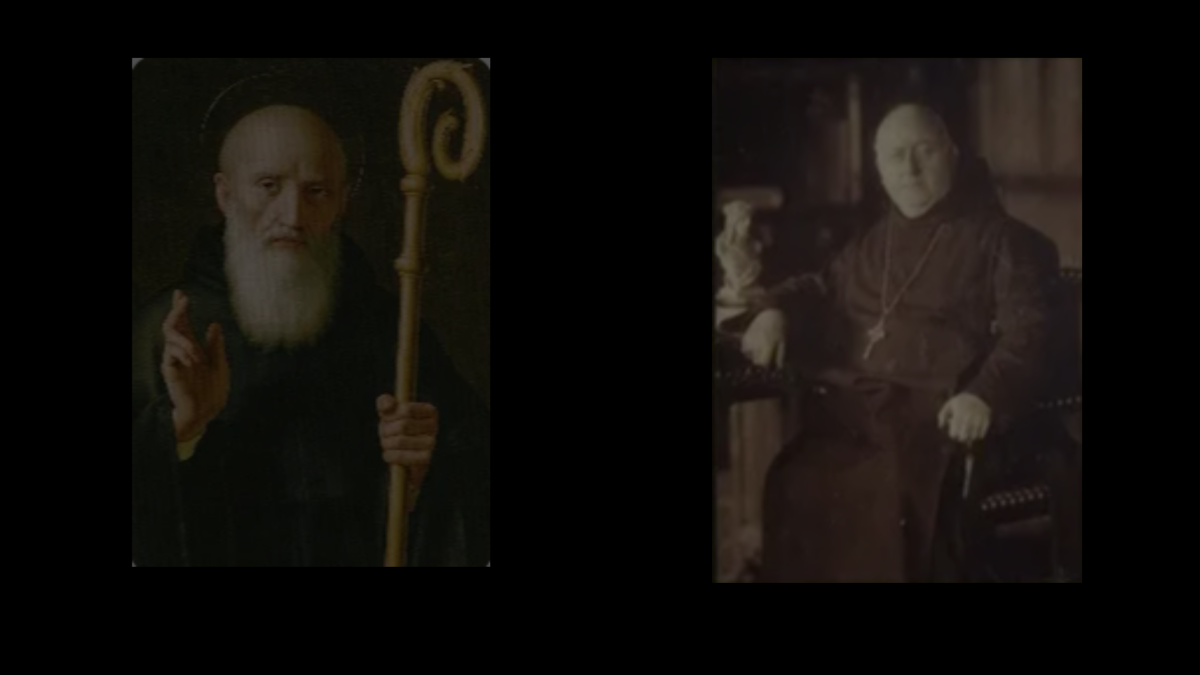
This Treatise is from this book:
Those In Ireland, UK, EU, Click This Image To Get A Copy
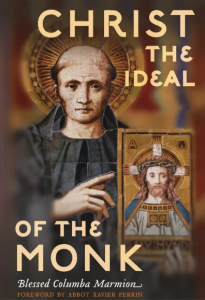
Those In The United States, Click This Image To Get A Copy
“We Must Seek God. But is God in some places where He must be sought? Is He not every where? Assuredly, as we know, God is in every being by His Presence, by His Power, and by His Essence. In God the operation is not separated from the active virtue whence it is derived, and the power is identical with the essence. In every being, God operates by sustaining it in existence.
In this manner God is in every creature, for all exist and continue to exist only by an effect on the Divine action that supposed God’s intimate presence. But reasonable beings can, moreover, know and love God, and thus possess Him in themselves.
However, this kind of immanence was not sufficient for God as regards us. There is a more intimate and elevated degree of union. God does not content Himself with being the object of a natural knowledge and love on man’s part, but He calls us to share His very life and His own beatitude.
By a movement of infinite love towards us, God wishes to be for our souls not only the Sovereign Master of all things, but a Friend, a Father . It is His will that we should know Him as He knows Himself, the source of all truth and of all beauty. It is His Will that we should possess Him, the Infinite Good, here below in the dimness of faith, and above in the light of glory.
To this end, as you know, He raises our nature above itself by adorning it with sanctifying grace, infused virtues and the gifts of the Spirit. God wills, by the communication of His infinite and eternal life, to be Himself our perfect beatitude. He does not wish us to find our happiness apart from Himself, the plenitude of all good; He leaves to no creature the power of satisfying our heart EGO merces tua magna nimis. “It is I myself who am thy reward exceeding great.”
And Our Lord confirmed His promise when about to pay the price thereof by the sacrifice of His Precious Blood, “Father, I will that where I am, they also whom Thou hast given Me be with Me: that they may see My glory…that the love wherewith Thou hast loved me, may be in them.”
Such is the unique and supreme end to which we must tend; we have to seek God; not only the God of nature; but the God of Revelation. For us Christians then, “to seek God” is to tend towards Him, not only as simple creatures who move towards the first principle and last end of their being, but supernaturally, that is to say as children who wish to remain united to their Father with all their strength of will urged by love, and through that mysterious participation in the very nature of God, of which St. Peter speaks, “it is to have and to cultivate with the Divine Persons an intimacy so real and so profound, that St. John calls it, the “fellowship with the Father, and with His Son Jesus Christ,” in their common Spirit.
It is to this the Psalmist alludes when he exhorts us to “seek the face of God” that is to say, to seek the friendship of God, to seek His love, as when the bride looking upon the bridegroom seeks to behold in his eyes the depth of his soul telling her of his tenderness. God is to us as Father full of goodness. He wills that even here below we should find our happiness in Him, in His ineffable perfections.
St. Benedict has no other views for his disciples. From the first lines of the Prologue, he warns not to grieve by our evil deeds the God Who has vouchsafed to count us among His children. “To attain to God,” this is the end that St. Benedict wishes us to have ever before our eyes. This principle, like a life-giving sap, circulates through all the articles of the monastic code.
We have not come to the monastery then in order to devote ourselves to science, nor the arts, nor the work of education. It is true that the great Patriarch wishes us at all times to serve God with the good things He has given us. He wishes the house of God to be wisely governed by prudent men; doubtless this recommendation primarily foresees the material organisation, but it can be equally applied to the moral and intellectual life of the monastery. St. Benedict does not wish the talents given by God to remain hidden, he permits the cultivation of the arts; a constant tradition, which we ought to humbly respect, has in the same sufficiently established for monks the legitimacy of studies and Apostolic labors, and the Abbot, the head of the monastery, will certainly have it at heart to preserve the diverse manifestations of monastic activity; he will endeavour to develop for the common good, for the service of the Church, for the salvation of souls, and for God’s glory, the various aptitude that he finds in each of his monks.
But once again, the end does not lie in this. All these works are only means in view of an end, the end is higher; it is in God, it is God sought for Himself, as the Supreme Beatitude.
Thus as we shall see later, the Divine Worship itself neither constitutes nor can constitute the direct end that the monastic institution established by the Rule wills to attain. St. Benedict will have us seek God,-would have us seek to unite ourselves to Him by charity. There is not, for us, any other end, or any other perfection. The worship of God proceeds from the virtue of religion, doubtless the highest of the moral virtue.
The infused theological virtues: Faith, Hope, and Charity are the specific virtues of our state as children of God. Properly speaking, the supernatural life is based here below on these three virtues. They regard God directly inasmuch as He is the author of the supernatural order. Faith is like the root, hope the stalk, and charity at once the flower and the fruit of the supernatural life.
Now, it is this charity, whereby we are and remain truly united to God, that constitutes the end assigned by St. Benedict and the very essence of perfection: Si revera Deum quaerit.
This end establishes the true greatness of the monastic life; it also establishes the true reason of its existence. In the opinion of Pseudo-Denys the Areopagite, we are given the name of “monks” “alone, one” on account of this life of indivisible unity, whereby, withdrawing our mind from the distraction of manifold things, we hasten towards Divine unity and towards the perfection of holy love.”
Closing Advertisement! Learn About Ordo Militaris & Their Current Fundraisers
Click Image To Read The August Circular Letter

Click Image To Donate:
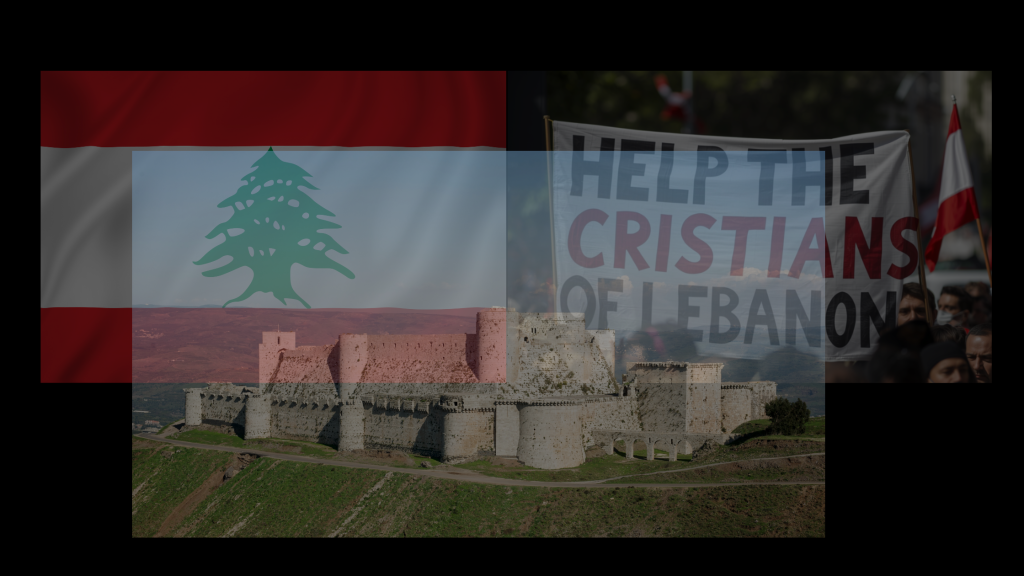
Click Image To Donate To Help Lebanese Christians

Click Image To Get A Calendar

Click Image To Get A Lepanto Flag!

Please Consider Donating, $19,900 To Go, To Help Get Medical Equipment For Ukraine

Views: 7
Reader's opinions
Continue reading